



Why Commercial Skylight Systems Fail and How to Prevent It
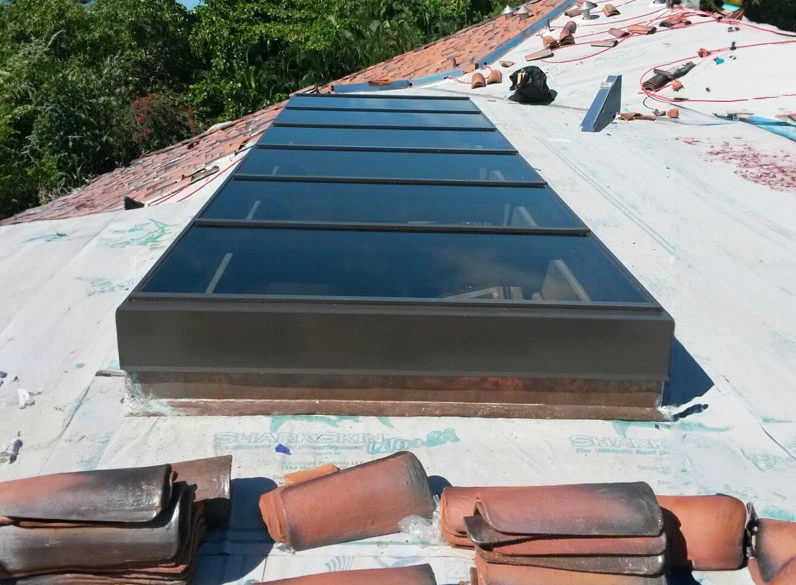
Commercial skylight systems play an important role in bringing natural light into shopping centers, office buildings, hotels, and other large commercial properties. When properly designed and installed, these systems can enhance interior spaces, reduce reliance on artificial lighting, and provide lasting architectural value. However, even well-designed skylights can experience performance issues over time.
Commercial skylight failures are not always the result of aging materials. Improper installation, inadequate waterproofing, unsuitable glazing, and insufficient maintenance can all contribute to problems that affect the skylight and surrounding building.
Understanding why commercial skylight systems fail is essential for preventing costly repairs, water damage, and premature replacement. Below, we explore the most common causes of skylight failure and the steps commercial property owners, architects, and facility managers can take to protect their investment.
What Causes Commercial Skylight Systems to Fail?
Commercial skylights consist of multiple components that must work together to maintain structural integrity, manage water, and regulate heat transfer. When one component is improperly designed, installed, or maintained, it can affect the performance of the entire system.
Improper Skylight Installation
Installation errors are one of the factors that can contribute to premature commercial skylight failure. Even a high-quality skylight system may develop problems when its components are not installed according to the required specifications.
Improper installation can create gaps around the skylight, compromise waterproofing connections, or place unnecessary stress on glazing and framing components.
Common installation problems include:
- Incorrect Flashing Installation: Improperly positioned flashing can allow rainwater to enter where the skylight connects to the roof.
- Poor Sealant Application: Inadequate sealing around joints and connections can create pathways for moisture.
- Improper Roof Integration: Skylights that are not correctly incorporated into the surrounding roofing system may experience recurring leaks.
- Incorrect Component Placement: Improperly installed framing, glazing, or attachment hardware can affect structural performance.
How to Prevent Installation Problems
Commercial skylight installation should follow the system’s engineering requirements, manufacturer specifications, and applicable building codes. Working with experienced skylight specialists helps ensure that glazing, framing, flashing, and waterproofing components are properly coordinated.
For new construction and major renovations, involving skylight professionals during the planning stages can also help identify potential installation challenges before work begins.
Inadequate Waterproofing and Drainage
Water management is one of the most important aspects of commercial skylight design. Large skylight systems may contain numerous glazing joints, framing connections, and transitions between the skylight and the surrounding roof.
If these areas are not properly detailed, rainwater can accumulate or enter the building.
Common waterproofing problems include:
- Deteriorating sealants around glass panels
- Improperly designed or installed flashing
- Blocked drainage channels
- Water collecting around framing connections
- Inadequate waterproofing at roof transitions
Water intrusion can damage insulation, ceiling materials, and interior finishes. When moisture problems continue without being addressed, they may also contribute to corrosion or deterioration of surrounding building components.
How to Prevent Water Intrusion
Effective waterproofing begins with proper system design. Drainage paths, glazing joints, flashing, and roof connections should be planned to manage water under expected weather conditions.
Routine inspections are also important. Removing accumulated debris and identifying deteriorating seals can help prevent minor drainage issues from developing into larger problems.
Incorrect Glass or Glazing Selection
Commercial skylight glazing must be selected according to the building’s structural requirements, environmental exposure, and intended application. Not every type of glass is appropriate for every skylight system.
Using glazing that does not meet the project’s requirements can increase the risk of breakage, thermal stress, or premature deterioration.
Important glazing considerations include:
- Structural Loads: Glass must be designed to accommodate applicable wind, snow, and other loads.
- Thermal Performance: Appropriate glazing can help manage solar heat gain and heat transfer.
- Glass Configuration: The thickness, composition, and arrangement of glass panels must suit the system’s design.
- Environmental Exposure: Sunlight, moisture, and temperature fluctuations can influence long-term glazing performance.
For example, large architectural skylights may require specialized glazing configurations based on panel dimensions and structural support conditions.
How to Prevent Glazing Problems
Glass selection should be determined through project-specific design and engineering. Architects, contractors, and skylight specialists should coordinate glazing specifications before fabrication and installation.
Selecting appropriate materials from the beginning can help reduce the likelihood of premature failure and support reliable long-term performance.
Structural Movement and Thermal Expansion
Commercial buildings and skylight systems experience movement as temperatures change. Metal framing, glass, and surrounding structural materials expand and contract at different rates.
When these movements are not properly accommodated, stress can develop around glazing connections, seals, and framing components.
Potential problems include:
- Cracked or damaged glazing
- Deteriorating seals and gaskets
- Movement at framing connections
- Water intrusion caused by compromised joints
- Excessive stress on attachment components
These issues can be particularly important in large commercial skylights with expansive glazing areas or complex architectural configurations.
How to Prevent Structural Movement Issues
Commercial skylight systems should be engineered to accommodate expected thermal movement and structural conditions. Appropriate connection details, glazing clearances, and compatible materials help reduce stress on system components.
Early coordination between the skylight designer and the building’s structural team is essential for projects involving large or complex skylight assemblies.
Lack of Routine Commercial Skylight Maintenance
Even properly installed commercial skylights require periodic attention. Over time, exposure to weather, airborne debris, and environmental conditions can affect seals, drainage components, and glazing assemblies.
Without regular commercial skylight maintenance, minor issues may remain unnoticed until they begin affecting the surrounding building.
Common maintenance concerns include:
- Debris accumulating in drainage areas
- Sealants becoming brittle or deteriorating
- Loose or damaged system components
- Minor leaks remaining unaddressed
- Dirt buildup concealing early signs of damage
Neglecting these issues can increase repair costs and potentially shorten the useful service life of the skylight system.
How to Prevent Maintenance-Related Failures
Establish a maintenance schedule based on the skylight’s age, condition, environmental exposure, and manufacturer recommendations.
Commercial property managers should also arrange inspections after significant weather events when appropriate. Identifying and correcting minor issues early can help prevent more extensive damage.
How Proper Skylight Design Helps Prevent Premature Failure
Preventing commercial skylight failure begins long before installation. Decisions made during the design and engineering stages influence how the system responds to structural loads, weather exposure, temperature changes, and ongoing use.
A properly planned skylight must function as part of the building rather than as an isolated architectural feature.
Engineering for Building and Environmental Conditions
Every commercial property has different structural and environmental requirements. A skylight installed in a coastal building exposed to strong winds may require different engineering considerations than one installed in an area with significant winter snowfall.
Important factors include the building’s roof structure, skylight dimensions, local weather conditions, applicable building codes, and required structural loads.
Evaluating these conditions early helps ensure the proposed skylight configuration is appropriate for its intended location.
Selecting Appropriate Materials and Components
The durability of a commercial skylight depends on more than the glass itself. Framing, seals, gaskets, flashing, and attachment hardware must also be suitable for the project.
Material compatibility is particularly important because different components respond differently to moisture, temperature changes, and structural movement.
Choosing components based on their intended application helps support the system’s overall performance.
Coordinating Skylight and Roofing System Design
The connection between a commercial skylight and the surrounding roof is a critical area for waterproofing and long-term performance.
Architects, roofing contractors, and skylight specialists should coordinate roof openings, curbs, flashing details, drainage, and installation requirements before construction begins.
This coordination can help prevent problems caused by incompatible materials, insufficient drainage, or improperly detailed roof transitions.
Commercial Skylight Installation Mistakes That Can Lead to Long-Term Problems
Some commercial skylight installation mistakes may not cause immediate problems. A system may initially appear to function correctly, only to develop leaks or other performance issues after repeated exposure to rainfall, temperature changes, and wind.
Understanding these potential mistakes can help commercial property owners and contractors recognize the importance of proper installation oversight.
Common installation mistakes include:
- Insufficient Roof Integration: Failing to coordinate the skylight assembly with the surrounding roofing materials and waterproofing system.
- Improper Sealant Application: Using unsuitable sealants or applying them incorrectly around glazing joints and connections.
- Inadequate Drainage Planning: Overlooking areas where water may accumulate or where drainage channels could become obstructed.
- Incorrect Component Installation: Installing framing, glass, or attachment hardware in a way that does not meet the engineered design requirements.
- Limited Installation Inspections: Failing to verify critical waterproofing, glazing, and connection details before completing the project.
Avoiding these mistakes requires clear project specifications, qualified installation professionals, and appropriate quality control throughout construction.
For complex architectural skylights, coordination between the design team and installation specialists is especially important.
How to Prevent Commercial Skylight Failures
Although no skylight system is completely immune to deterioration, proactive maintenance and timely repairs can significantly reduce the risk of avoidable problems.
Commercial property owners and facility managers should take a preventive approach rather than waiting until a skylight develops a major leak or structural concern.
Schedule Regular Skylight Inspections
Professional inspections help identify potential problems before they affect larger portions of the system.
Inspections may include evaluating glazing conditions, seals, flashing, framing, drainage components, and connections to the surrounding roof.
The appropriate inspection frequency depends on the system’s age, condition, manufacturer guidance, and environmental exposure.
Maintain Seals, Flashing, and Drainage Components
Waterproofing components require attention because they are continuously exposed to changing weather conditions.
Keeping drainage areas clear and monitoring seals and flashing for deterioration can help reduce the risk of moisture entering the building.
Any necessary repairs should use materials and methods compatible with the existing skylight system.
Address Minor Repairs Before They Become Extensive
A small waterproofing issue may be relatively straightforward to correct when identified early. However, continued moisture intrusion can affect insulation, interior finishes, and surrounding structural materials.
Prompt professional evaluation helps determine whether a localized repair is sufficient or whether more extensive work is necessary.
Keep Records of Skylight Maintenance and Repairs
Documenting previous inspections, repairs, and recurring problems provides valuable information when evaluating the condition of a commercial skylight.
Maintenance records can help property managers identify patterns, plan future work, and determine when a system may require more extensive refurbishment or replacement.
When Is Commercial Skylight Replacement More Practical Than Repair?
Not every skylight failure requires complete replacement. Some problems can be addressed through targeted repairs, resealing, glazing replacement, or refurbishment.
However, when deterioration affects multiple components or recurring problems continue despite previous repairs, replacing the existing system may be a more practical long-term solution.
Factors that may indicate replacement should be considered include:
- Recurring Water Intrusion: Leaks continue despite previous attempts to repair the underlying problem.
- Extensive Material Deterioration: Framing, glazing, seals, or other components have experienced significant damage.
- Outdated System Design: The existing skylight no longer meets the building’s current functional or performance requirements.
- Multiple Areas of Failure: Problems affect several sections of the skylight rather than a single isolated component.
- Major Roof Renovations: A larger roofing project creates an opportunity to evaluate whether the existing skylight should be upgraded or replaced.
A professional evaluation can help determine whether repair, refurbishment, or replacement is the appropriate approach.
Skylight Concepts provides commercial skylight repair and replacement services to address existing system problems and help property owners determine the next steps.
Why Work With Skylight Concepts for Commercial Skylight Projects?
Commercial skylight systems require specialized knowledge of glazing, structural design, waterproofing, and installation. Whether a project involves repairing an existing system or planning a new architectural skylight, working with experienced professionals helps ensure important performance considerations are addressed.
Skylight Concepts specializes in standard, custom, and structural skylight systems for commercial properties and luxury residences. Our team provides services that support projects from initial planning through installation and ongoing system care.
Our capabilities include:
- Commercial Skylight Design: Developing skylight solutions around architectural requirements, building conditions, and project specifications.
- Professional Installation: Coordinating glazing, framing, waterproofing, and other components for new commercial skylight systems.
- Skylight Repair and Replacement: Evaluating existing systems and identifying appropriate solutions for damaged or deteriorating components.
- Waterproofing Expertise: Addressing critical connections and details that influence the skylight’s resistance to water intrusion.
- Project Management: Supporting architects, contractors, and property owners throughout the skylight project.
Our goal is to provide commercial skylight solutions that combine architectural appearance with dependable long-term performance.
Frequently Asked Questions About Commercial Skylight Failures
What is the most common cause of commercial skylight failure?
Water intrusion is one of the most common problems associated with commercial skylight systems. However, the underlying cause can vary. Deteriorating seals, improper flashing, drainage problems, installation errors, and damaged components can all contribute to leaks. A professional inspection is necessary to identify the source of the problem.
Can improper installation cause a commercial skylight to leak?
Yes. Incorrect flashing, inadequate sealing, and poor integration with the surrounding roofing system can create pathways for water intrusion. Proper installation according to engineering specifications and applicable requirements is essential for preventing these problems.
How often should commercial skylight systems be inspected?
Inspection frequency depends on the skylight’s age, condition, environmental exposure, and manufacturer recommendations. Many commercial properties benefit from at least annual inspections, with additional evaluations following significant storms or when performance concerns arise.
Can commercial skylight failures be prevented?
While no skylight system is entirely maintenance-free, proper design, professional installation, appropriate material selection, and routine maintenance can reduce the likelihood of premature failure. Addressing minor issues early also helps prevent more extensive damage.
Should commercial skylights be inspected during a roof replacement?
Yes. A commercial roof replacement provides an opportunity to evaluate existing skylight conditions and determine whether repairs, refurbishment, or replacement may be necessary. Coordinating skylight work with roofing improvements can also help ensure that flashing and waterproofing connections are properly addressed.
Protect Your Commercial Property With Proper Skylight Care
Commercial skylight failures can result from several factors, including installation errors, inadequate waterproofing, unsuitable materials, structural movement, and neglected maintenance. Understanding these causes is an important step toward preventing avoidable damage and protecting the building’s long-term performance.
Taking a proactive approach to skylight design, installation, and maintenance can help reduce unexpected repairs, protect interior spaces, and extend the useful life of the system.
Whether you’re experiencing recurring skylight problems, considering replacement, or planning a new commercial installation, Skylight Concepts can help evaluate your project’s requirements and recommend an appropriate solution.
Contact Skylight Concepts today to discuss your commercial skylight system and learn more about our repair, replacement, and installation services.