



Top 7 Skylight Maintenance Tips Can Extend Their Lifespan
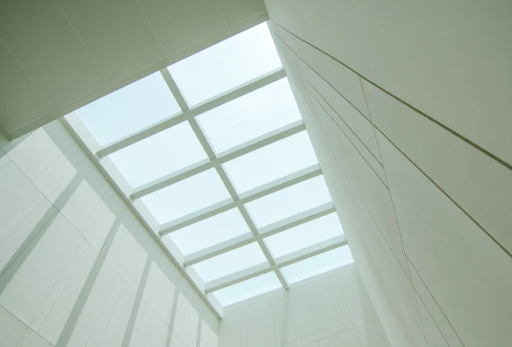
Skylights bring natural light, architectural flair, and a connection to the outdoors into your building. Whether fixed or vented, acrylic or glass, they brighten commercial and luxury spaces. However, like any major component of a commercial property or luxury home, a skylight only stays an asset when it’s properly maintained. Neglect common maintenance tasks, and you could wind up with leaks, drafts, reduced performance, and a much shorter than expected lifespan. A well‑designed skylight can last 15 to 30 years or more if you keep up with maintenance.
Here are the top 7 maintenance tips you should follow to keep skylights in great condition, maximize their performance, and avoid expensive replacements down the road.
1. Clean Glass and Frames Regularly
One of the simplest yet most overlooked maintenance tasks is simply cleaning the skylight glass, frames, and surrounding areas. Dirt, debris, leaves, and dust accumulate over time and reduce light transmission, add weight, and can scratch or damage the glazing (the glass in the window).
What to do:
- Use a soft microfiber cloth or sponge with a mild, non‑abrasive cleaner. Avoid harsh chemicals or pressure washers.
- Clean both the interior and, where safely accessible, the exterior surfaces.
- Clear away debris around the flashing, roof‑curb area, and skylight edges. Leaves and pine needles can block drainage paths or cause moisture buildup.
- Schedule cleaning at least twice a year. If you’re in a high‑debris or storm‑prone area, clean the skylight more frequently
Why it is Important: Keeping surfaces clean helps light flow into the building more efficiently, reduces wear and tear, and keeps the system working as intended.
2. Inspect for Leaks, Fogging & Condensation
Regular inspection is key to discovering issues early. Some of the most common symptoms of skylight problems include water stains on the ceiling, persistent condensation on the glazing, fogging between panes, or moisture around the frame or curb.
What to inspect:
- Glass for hairline cracks or chips.
- Interior around the skylight for water stains, discoloration, or mold.
- Signs of drafts or temperature changes near skylight frames.
- Fogged or hazy glazing indicates seal failure between double‑pane glass.
Why it matters: Each of these issues points to failure of seals, flashing (metal or polymer trimming), or glazing integrity. If left unaddressed, moisture intrusion can damage framing, insulation, roofing structure, and dramatically shorten the skylight’s lifespan. Regular checks let you catch problems while they’re still minor and inexpensive to fix.
3. Check Seals and Flashing
Underneath what you see, the hidden components are seals and flashing that do the heavy lifting in keeping your skylight watertight and thermally efficient. Many skylight‑related issues stem from flashing that’s improperly installed or sealants that degrade over time.
Maintenance tasks:
- Inspect the rubber or foam weather‑seals and gaskets around the frame for cracks, brittleness, or gaps.
- Check the flashing around the curb or roof mounting for corrosion, lifting, or signs of water entry.
- If any damage is found, reseal with high‑quality silicone compatible with roofing materials, or replace the flashing element.
- Document the condition and repair history for warranty or future maintenance reference.
Why it matters: Properly functioning seals and flashing stop leaks, which are some of the biggest threats to skylight longevity. Keeping them in good condition prevents the need for major roof or skylight replacement later.
4. Maintain Venting or Operable Skylights
If your skylight opens or includes ventilation features, it deserves dedicated attention. Moving parts such as the hinges, cranks, motors, and tracks wear out faster than fixed systems, especially in humid or storm‑prone environments.
What to do:
- Open and close the skylight or vent periodically to ensure smooth operation.
- Lubricate hinges, latches, and tracks with weather‑resistant lubricant.
- Inspect for corrosion on hardware or wiring (motorized systems).
- Remove any blockages from vent channels or screen/dust buildup.
Why it matters: Malfunctioning vents reduce airflow, may cause condensation, and overload the mechanical system. A stuck vent can also trap heat or moisture and shorten system life.
5. Ensure Proper Insulation & Drainage
Skylights create a direct link between your building’s interior and the roof, making insulation and drainage critical. Poor insulation around the curb, missing thermal breaks, or blocked drainage paths significantly reduce lifespan.
Key tasks:
- Inspect the attic side for missing or compressed insulation around the skylight opening.
- Verify that the skylight curb is insulated or that the system has thermal breaks if designed for withstanding temperature swings.
- Clean weep holes, drainage channels, and roof gutters near the skylight area to prevent water pooling and ice dams.
- Address any drafts or cold spots near the skylight interior. It is a sign of poor insulation or a leakage path.
Benefit: Good insulation and free drainage minimize condensation, prevent freeze‑thaw damage, reduce thermal stress, and lengthen your skylight’s usable years.
6. Seasonal Maintenance & After‑Storm Inspection
Seasons and storms put extra stress on skylights. Planning routine seasonal checks and an inspection after major weather events can prevent many headaches.
Seasonal tasks include:
- Spring: Clean debris from winter, inspect seals affected by cold.
- Summer: Check for UV or heat damage, ensure ventilation works, and inspect the seal and moving parts.
- Fall: Remove leaves and debris, clean weep holes, and apply protective sealants if needed.
- Winter or After storms: Inspect for snow load effects, ice dams, hail‑damage, and any new leaks.
Why do this: Storms and seasonal changes accelerate wear. Addressing small damage right after a storm prevents minor problems from becoming costly replacements later.
7. Schedule Professional Inspections & Document Maintenance
Even the most diligent building owner or facility manager doesn’t catch everything from the roof deck or attic. A professional skylight inspection adds insight and warranty coverage.
What professionals offer:
- Technical inspection of framing, flashing installation, and hidden moisture infiltration.
- Assessment of glazing integrity, mechanical vents, and control systems.
- Maintenance records and documentation that can preserve product warranties.
- Advice on upgrades, such as improving for better ventilation, before problems arise.
Recommendation: Schedule a professional inspection annually, especially if skylights are older than 10 years or after major storms.
Simple Routine That Delivers Big Results
Here’s a streamlined routine you can plan into your annual building‑maintenance schedule:
- Twice per year: Clean glass and frames, clear debris, and check seals and flashing visually.
- After major events: Storms, hail, heavy snowfall, inspect for damage.
- Annually: Professional full inspection, document everything, schedule repairs or upgrades.
- Ongoing: Monitor interior signs for ceiling stains, fogging, drafts, condensation, and address issues right away.
With this routine, you’ll significantly extend skylights’ usable life, maintain their performance, and keep maintenance costs manageable.
Value Beyond the Skylight and Why it Matters

Putting in the effort now doesn’t just keep the skylight working, it protects the broader building envelope, improves occupant comfort, enhances energy efficiency, and maintains design integrity. Poorly maintained skylights may look fine on the surface but can silently cause the following costly issues:
- Hidden leaks that rot framing or insulation
- Increased energy bills from poor thermal performance
- Premature replacement or full system removal, which is costly
- In commercial spaces, it might interrupt work in offices, damage inventory in retail spaces, or force temporary closures for repairs.
- In luxury homes, it can cause water damage or make living spaces uncomfortable or unusable during repairs.
- Many warranties require routine maintenance. If neglected, you could lose coverage. Insurance claims might also be denied if damage is seen as preventable.
- Fines or costly repairs if your skylight no longer meets building code or energy regulations
By following these maintenance tips you’ll get the full benefit of natural light, reduced utility costs, and a skylight system that holds up for years.
Why Building Owners Choose Skylight Concepts
If your goal is to extend the lifespan of your skylights, who you trust for maintenance and repairs matters just as much as the tips you follow.
Here’s why commercial property owners and luxury homeowners trust Skylight Concepts:
- Tailored recommendations: We don’t give generic advice. Every maintenance plan or repair is shaped to your specific building and its conditions.
- Regional code and climate expertise: From hurricane zones to mountain climates, we know what your skylight system needs to handle long term.
- Clear communication: We walk you through the plan, share honest pricing, and help you avoid surprise repairs later.
- Proven results: Our skylight installations and maintenance work keep systems efficient, watertight, and beautiful year after year.
Keep the Light Shining and the Roof Dry
Skylights are an investment. Like any investment, the payoff depends on how you care for it. Regular cleaning, inspections of seals and flashing, attention to ventilation, proper insulation and drainage, after‑storm checks, and professional inspections will all help your skylight last longer and perform better.
Start integrating these maintenance tips into your building’s upkeep plan. You’ll enjoy the beauty and practicality of natural light while avoiding the frustration and cost of premature failure.
Need help scheduling a professional inspection or want a maintenance plan tailored to your building type? Contact Skylight Concepts to schedule your inspection. We’ll help you spot the small issues before they turn into expensive ones.