



What Makes a Skylight System “Architectural” in Commercial Construction?
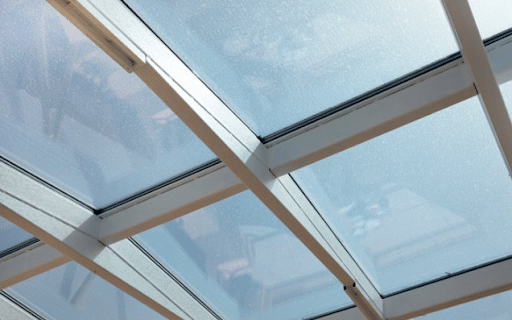
Not every skylight is created for the same purpose, especially in commercial construction. When a skylight becomes part of the design, performance, and overall experience of a building, it’s more than a light source, it’s architectural.
In spaces like lobbies, museums, galleries, and high-end retail environments, skylights are used to support daylighting goals, improve comfort, and complement the design while meeting structural and code demands.
This blog explores what sets architectural skylights apart, when to use them, and how they support both creative and practical goals in commercial spaces.
Defining an “Architectural Skylight System”
An architectural skylight system is more than just glass set in a roof opening. It’s a fully integrated daylighting solution designed to support a building’s design, performance, and user experience. These systems go beyond basic lighting; they become part of the architecture itself. These systems are typically:
- Custom or semi‑custom designs tailored to the roof and structure, rather than one‑size‑fits‑all models.
- Structurally integrated into the building envelope with precise support and framing to handle load, weather, and performance requirements.
- Designed for aesthetic impact, often with shapes, geometry, and glass choices that become visual focal points.
- Engineered for performance, including energy‑efficient glass, proper sealing, and durable framing.
Architectural skylights are chosen not just for light but for how they interact with the space, creating dramatic interior environments, improving daylight quality, and supporting the building’s overall design intent.
The Key Characteristics of Architectural Skylights
1. Custom Geometry and Creative Design
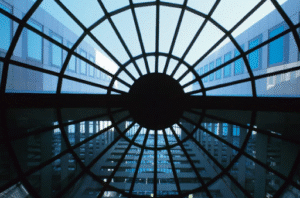
Architectural skylights go beyond standard rectangles. These systems are designed with freedom in mind, giving architects the ability to match the skylight to the building’s structure and visual goals.
From long barrel vaults to sculptural pyramids and point-supported glass, skylights can be curved, faceted, or uniquely shaped to match the tone of the space. This creative flexibility is why they’re used in atriums, galleries, and other public-facing spaces where the experience matters.
By coordinating with the roof structure, skylights can span wide areas without visible support, making the space feel open and light-filled while meeting structural and code requirements.
2. Aesthetic Integration with Building Design
Architectural skylights are designed to enhance the overall architecture—not just sit on top of it. These systems:
- Act as clean visual extensions of the building’s form
- Highlight central spaces like atriums or lobbies
- Work with both traditional and modern styles
- Support the flow of natural light to improve the spatial feel
When done right, skylights feel like they belong, not just functionally but visually.
3. Engineered Structural Performance and Weather Resistance
Architectural skylights are engineered to support not only their own weight but also the loads imposed by the roof, wind, and weather. Unlike simpler systems, they:
- Meet or exceed building code requirements, including hurricane or impact approval in many cases
- Use specialized flashing and waterproofing details for long‑term weather resistance
- Integrate connections with roofing systems to prevent leaks and thermal bridging
It’s common for architectural skylights to be impact-approved, meaning they are tested to withstand specific wind and hurricane forces which is a major consideration in coastal or high‑wind regions.
4. High‑Performance Glass and Glazing Options
The glass used in an architectural skylight is carefully selected based on performance, light quality, and safety requirements. It’s chosen to support multiple goals:
- Daylight control: Glazing can be selected to reduce glare, soften shadows, and evenly distribute natural light, ideal for large open spaces
- Thermal performance: Low‑emissivity coatings and insulated units help control heat gain and loss
- UV control: Laminated interlayers and coatings can block harmful UV rays while letting visible light through
- Impact resistance: Laminated or reinforced glazing improves strength and safety, especially for public or high‑risk areas
These options give architects flexibility to fine-tune light quality and thermal behavior for the space, a level of control not possible with standard skylights.
Why Architectural Skylights Are Chosen in Commercial Construction?
Enhanced Natural Daylight and Occupant Experience
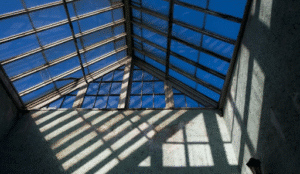
Architectural skylights let daylight penetrate deep into a building, which:
- Reduces reliance on artificial lighting
- Increases visual comfort
- Improves mood and productivity in workspaces like offices or universities
- Creates healthier environments in public places
In retail or hospitality settings, daylight brings out colors and textures more vividly, making spaces feel more inviting.
Energy Performance and Sustainability Goals
When paired with energy‑efficient glazing and optimized placement, architectural skylights can contribute to a building’s overall energy strategy. By reducing electric lighting loads and regulating heat gain, they support sustainability efforts and, in some projects, help attain certifications like LEED (Leadership in Energy and Environmental Design) or energy codes.
Branding and Market Value
In commercial projects, design choices say a lot about the business inside. Architectural skylights send a clear message; this is a space that values quality, comfort, and attention to detail.
Beyond aesthetics, skylights can enhance the customer experience, influence how a brand is perceived, and make a lasting impression. For retail, hospitality, or corporate environments, that sense of care and openness can increase market appeal and support property value over time.
Architectural vs Standard Skylights
| Feature | Standard Skylights | Architectural Skylights |
| Design Flexibility | Limited sizes and shapes | Custom geometry & large spans |
| Aesthetic Impact | Functional only | Integral to design vision |
| Structural Integration | Basic support | Engineered framing & load handling |
| Performance Options | Basic glazing | High‑performance glass & coatings |
| Climate & Code | Minimal compliance | Meets stringent codes & approvals |
| Daylight Quality | Simple daylight | Controlled, diffused daylight |
When to Specify an Architectural Skylight?
Architectural skylights are especially beneficial when:
- You need a signature design element in a public space
- The building’s program includes large atriums, galleries, or lobbies
- There’s a desire to maximize daylight while reducing glare and heat gain
- Performance goals include sustainability or reduced energy use
- You’re working in a region with strict weather or impact codes, such as coastal areas
Let’s Design a Skylight That Brings Your Building to Life
Architectural skylights aren’t just about daylight, they help define how a space looks, feels, and functions. From performance to aesthetics, they’re a strategic choice for modern commercial buildings.
Whether you’re working on a hotel lobby, office atrium, cultural center, or commercial space, knowing what makes a skylight system architectural helps you create environments that feel intentional, open, and engaging.
Skylight Concepts is here to help. From early design input to engineered systems that meet code and look incredible, we specialize in architectural skylights for commercial construction. Let’s bring your vision to life on time, on budget, and built to last.
Contact us today to start the conversation. We’ll help you design a skylight system that fits your project and performs for years to come.