



Signs Your Commercial Skylight System Is No Longer Performing Properly
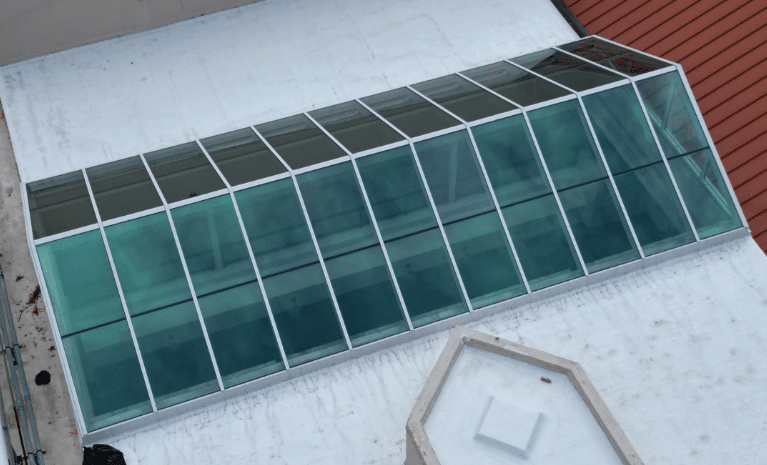
Commercial skylights are meant to bring natural light into large indoor spaces, reduce reliance on artificial lighting, and improve occupant comfort. But like any major building component, skylight systems don’t last forever. Over time, exposure to weather, temperature swings, and ordinary wear can reduce their performance. When a skylight system starts to fail, it can affect energy efficiency, indoor comfort, and even the building’s interior finishes.
In this blog, we’ll walk through the most common signs your commercial skylight system is failing, how to recognize them early, and what steps you can take to keep your space safe and dry. We’ll also touch on why timely commercial skylight repair or replacement, and planned commercial skylight maintenance matter for long-term performance.
What are the Signs?
Visible Leaks or Water Stains Around the Skylight
One of the most obvious signs that a skylight isn’t performing properly is finding water where it shouldn’t be. If you see water stains on the ceiling below a skylight or notice wet spots after rain, that’s a warning sign.
Why this happens
Leaks can start when seals break down, when flashings shift, or when the skylight’s framing allows water to enter. Left unaddressed, this can damage insulation, weaken ceiling materials, and lead to mold growth or costly interior repairs.
What to look for
- Water stains or discoloration on the ceiling
- Drips during or after rainfall
- Damp insulation near the skylight
- Moisture spots on the walls near the skylight
Condensation or Fogging Between Glass Layers

Another sign a skylight may not be performing properly is condensation between the glass panes. In skylights with double or triple glazing, the space between panes should stay clear at all times. Fogging in this area usually points to a seal failure.
Why this matters
The seal between the glass layers is designed to keep air and moisture out. When the seal breaks down, moisture enters the glass assembly and reduces its ability to insulate properly.. This can lead to higher heating and cooling costs and less consistent indoor temperatures.
Signs to watch
- A hazy appearance between the glass layers
- Cloudiness that does not clear with cleaning
- Ongoing condensation inside the skylight
Drafts or Temperature Changes Near the Skylight
A properly installed skylight should not let air move in or out of the building. If you feel drafts near the skylight or notice that the area feels warmer or colder than the rest of the space, it often points to an air leakage.
Common causes
- Worn seals or gaskets
- Gaps between the skylight frame and the roof materials
- Framing that has shifted over time
Drafts affect comfort first. Over time, uneven temperatures around skylights can make certain areas feel uncomfortable to work or occupy.
Cracks in the Glass or Frame
Cracks are another clear sign your skylight needs attention. While small surface scratches may not affect performance, cracks in the glass or frame are more serious.
Where cracks may appear
- In the glass itself
- At the edge where glass meets frame
- In the skylight frame or curb
Cracks can worsen over time, especially if exposed to wind, hail, or temperature swings. They allow water and air to penetrate, which can lead to leaks and drafts.
Higher Electric Bills

Even if drafts are not noticeable, a failing skylight can still affect electricity usage. When the building’s insulation performance drops, heating and cooling systems have to work harder to keep temperatures stable.
What this leads to
- Heat enters the building during the summer
- Heat loss during cooler months
- HVAC (Heating, Ventilation, and Air Conditioning) systems running longer to maintain set temperatures, which leads to higher electricity bills
Interior Damage Below or Near Skylights
Sometimes damage shows up inside after water has been entering for a while, even if the skylight itself doesn’t look obviously damaged.
Why it matters
Water that gets past a skylight can weaken insulation, damage ceiling materials, and create conditions for mold growth. Mold not only affects building materials but can also impact indoor air quality and occupant health.
If you see signs of interior damage below a skylight, it’s important to have the skylight and surrounding roof inspected.
Age and Wear and Tear
Even if a skylight hasn’t shown obvious signs like leaks or drafts, age alone can reduce performance. Most commercial skylights are designed to last 15 to 30 years, depending on how they were installed and maintained.
When age becomes a factor
- It has not had regular commercial skylight maintenance.
- Replacement parts are becoming harder to find in the market.
Older systems may lack modern glazing technologies, weather controls, or energy efficiency. In many cases, commercial skylight replacement can bring performance and comfort up to current standards.
What to Do When You Spot These Signs?
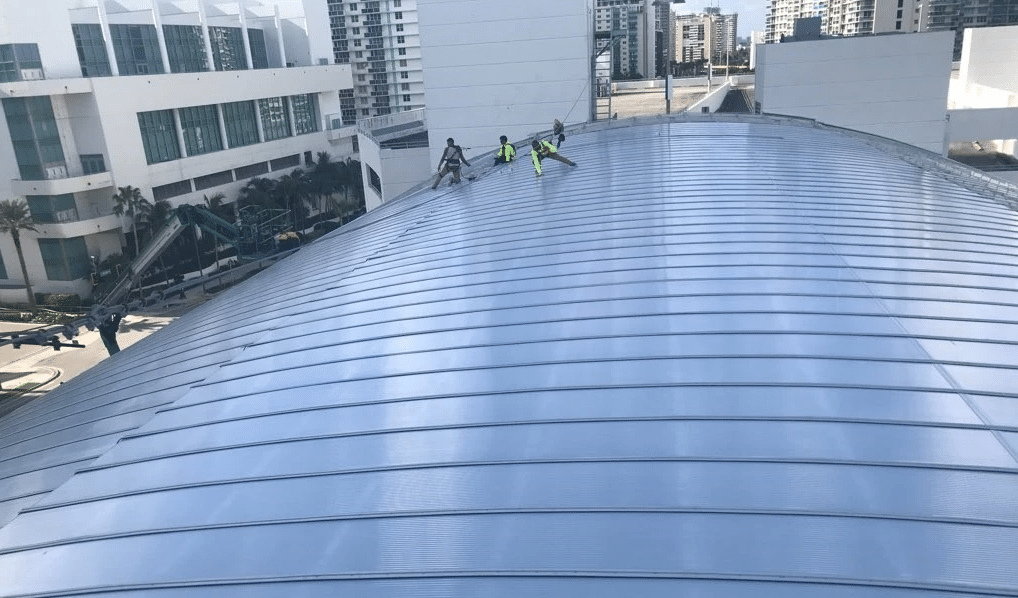
- Call for a professional inspection: When you notice any of the signs above, the first step is to call a professional who specializes in commercial skylight systems. A trained inspector can determine whether repair, resealing, or replacement is needed.
- Plan for repair or replacement: Some issues are fixable with a repair. Routine maintenance or seal replacement can solve leaks or drafts in many cases. Other problems, such as widespread glazing failure, cracks, or recurring leaks, may mean it’s time for full commercial skylight replacement.
- Factor code compliance: When replacing skylights, make sure the new system meets current building codes and energy standards. Modern commercial skylight systems often perform better in terms of insulation, weather resistance, and daylight control.
Tips to Extend Skylight Life and Performance
Even the best skylight systems need care. Here are simple steps to keep them working well:
- Regular maintenance checks: Schedule at least annual checks, and after major weather events.
- Keep skylights clean: Dirt and debris can trap moisture and hide early signs of damage.
- Monitor interior signs: Watch for stains, dampness, or temperature swings near skylights.
- Address minor issues quickly: Small leaks or gaps can lead to larger problems if left alone.
Take Action Before Small Skylight Issues Become Bigger Problems
A commercial skylight that’s no longer performing affects more than just light levels. Over time, problems like leaks, fogging, drafts, or rising energy costs can lead to the feeling of discomfort, increase operating expenses, and damage interior finishes.
Catching these issues early makes a big difference. Addressing small problems now can help you avoid costly repairs, unplanned downtime, or full replacement sooner than expected.
If something doesn’t look or feel right with your skylight system, it’s worth having it checked.
Skylight Concepts is here to help. We work with commercial buildings to inspect skylight systems, identify performance issues, and recommend the right next step, whether that’s repair, maintenance, or replacement. Proactive action can extend the life of your skylight and keep your building comfortable and efficient. Contact us today.