



Top 7 Common Skylights Installation Mistakes and How to Avoid Them
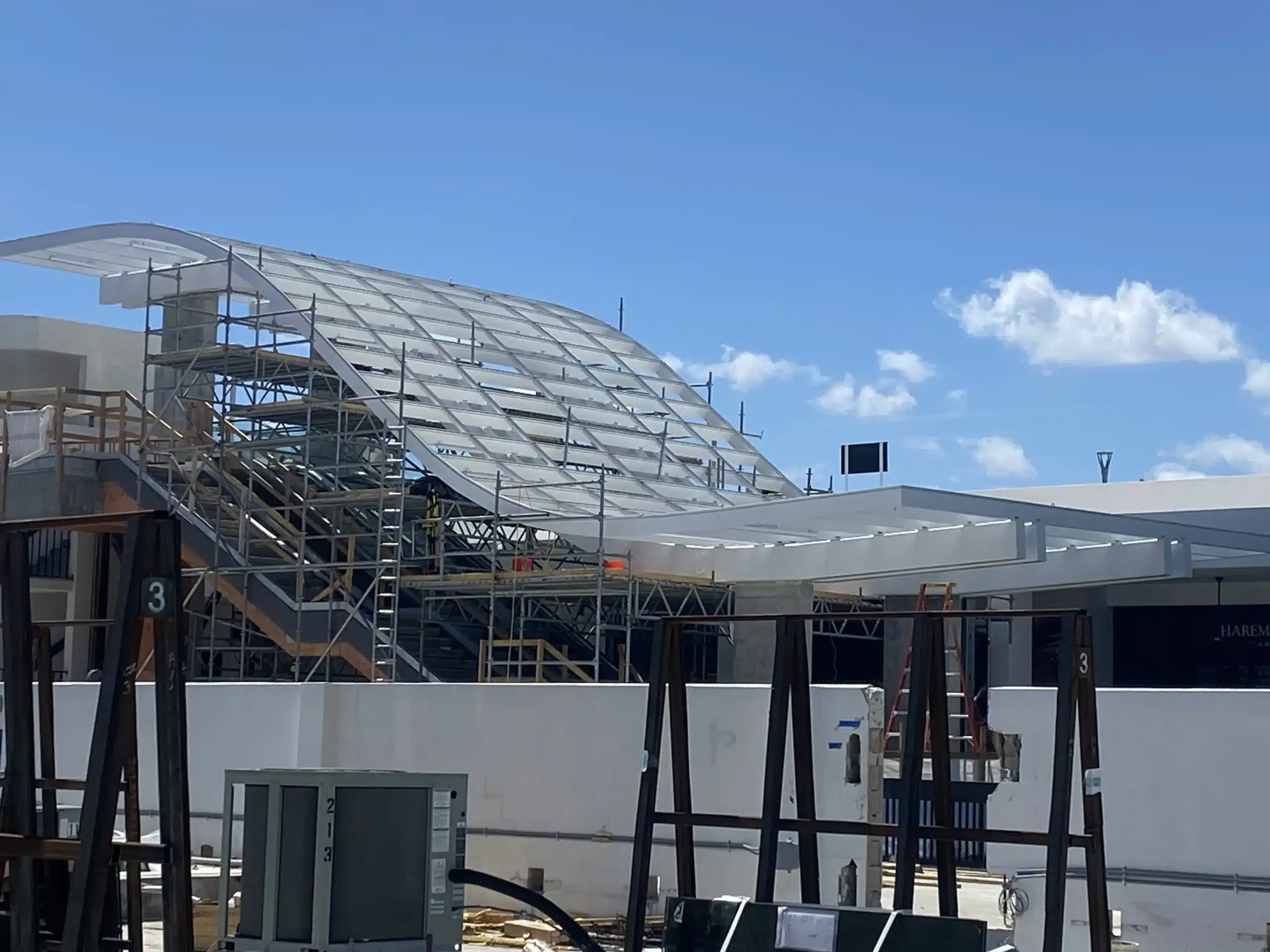
Skylights can transform a space. They bring in natural light, cutting energy costs, and creating visual appeal. However, when installed poorly, they become sources of leaks, drafts, energy loss, and frustration. Whether you’re dealing with commercial skylight installation or a luxury home project, knowing where others go wrong helps you get it right the first time.
Why These Mistakes Are Costly
Even small skylight installation mistakes can lead to big, expensive problems over time. What starts as a tiny leak or draft can snowball into structural damage, energy waste, or even full system failure. Here’s why getting it right matters:
- Leaks and water damage – Even a small leak can stain ceilings, damage drywall, or promote mold growth, especially if it goes unnoticed for a season. The cost of repairs often outweighs what proper installation would have saved.
- Energy loss – A poorly insulated or sealed skylight lets heat escape in winter and builds up heat in summer. This forces HVAC(Heating, Ventilation, and Air Conditioning) systems to work harder, increasing energy bills month after month.
- Structural weakening – Improper framing or flashing can allow water to rot framing materials or weaken load-bearing parts of your roof. Over time, this could affect the roof’s integrity and safety.
- Warranty issues – Most manufacturers require proper installation for the warranty to be valid. If the skylight fails due to skipped steps or off-spec work, you could be stuck with the replacement costs.
- Replacement and repair costs – Once problems appear, repairs are rarely simple. A leaking skylight may require replacing roofing layers, insulation, or interior finishes, and not just the skylight itself.
7 Things to Watch for When Installing Skylights
Below are the top 7 installation mistakes seen frequently, and tips on how you or your contractor can avoid them.
1. Choosing the Wrong Skylight Type or Model
What goes wrong: Many skip matching the skylight design to roof type, climate, or building use. A Skylight that works on a steep-pitched roof may leak disastrously on a low-slope roof. In harsh weather zones, a basic skylight may not survive hail, wind, or heavy rains. Thus, choosing the wrong skylight for your roof type or climate can lead to issues like poor insulation, excess glare, or even long-term roof damage.
How to avoid it:
- Choose a skylight designed for your roof’s slope. Some are made for flat roofs, while others are made for steep ones. Using the wrong type can lead to leaks or poor performance.
- Choose glazing and frame materials rated for your climate (impact-resistant glass, UV coatings, corrosion-resistant frames).
- Work with a professional to select models that meet local building code, energy performance, and water intrusion standards.
2. Poor Sizing & Inappropriate Placement
What goes wrong: Skylights that are too big create overheating, glare, and energy waste. Smaller skylights are unable to deliver enough daylight. Placing a skylight too close to areas where water naturally flows can cause leaks over time. Poor placement can also lead to uneven light distribution
How to avoid it:
- Follow the rule of thumb. Your skylight’s area should be ~5–10% of the room’s floor area.
- Avoid locations near roof valleys, chimney bases, or roof intersections.
- Consider solar orientation or direction to manage summer heat and winter light.
- Use modeling or lighting simulations to see how sun angles affect illumination and glare.
3. Improper Flashing & Sealing
What goes wrong: Flashing is a thin material, usually metal or rubber, that seals the edges of a skylight where it meets the roof, helping direct water away to prevent leaks. If flashing isn’t layered right or if sealant is used as the primary barrier, water will find its way in during heavy storms. Many skylights fail because the flashing is misaligned or incorrectly woven into the roofing.
How to avoid it:
- Use high-quality flashing materials compatible with your roof, such as copper, stainless steel, aluminum, or polymeric flashing.
- Install flashing beneath the roofing layers and not on top. Therefore, water flows over it and not under.
- Seal with UV‑resistant silicone or compatible sealants. Never rely solely on caulk.
- Test for leaks with water after installation, before closing up.
4. Ignoring Roof Structure & Load Capacity
What goes wrong: Cutting roof rafters or failing to reinforce the roof deck can weaken structural integrity. Especially in commercial or heavy-load areas, a skylight adds weight and changes how loads distribute.
How to avoid it:
- Inspect the attic or roof structure before cutting.
- Reinforce headers or rafters around the opening as needed.
- Ensure your skylight design accounts for snow load, wind uplift, and dynamic forces in your area.
- Consult a structural engineer or roofing specialist if you’re modifying load-bearing elements or retrofitting into an older roof system.
5. Poor Insulation & Thermal Bridging

What goes wrong: A skylight installed without proper thermal breaks and insulation acts like a window to the natural elements. Heat loss in winter, heat gain in summer, and condensation problems often stem from this.
How to avoid it:
- Use skylight glass with two or three layers of pane and a low-E coating. E coating is a thin and invisible layer that helps reflect heat and improve energy efficiency.
- Incorporate a thermal break in the frame between the exterior and interior.
- Add insulation around the skylight’s frame or shaft using materials that match the rest of your roof, so you don’t lose heat or let cold air in.
- Seal gaps with foam or a vapor barrier so that warm, moist air doesn’t reach cold surfaces.
6. Skipping Local Code, Permits & Manufacturer Instructions
What goes wrong: Some installers skip work permits or ignore building codes. The results are wasted time, fines, reworks, insurance problems, or voided warranties. Also, ignoring manufacturer installation specifications, such as skylight curb height, seal layers, and fastener spacing, causes failures.
How to avoid it:
- Always verify local building codes and obtain required permits.
- Follow the manufacturer’s instructions exactly.
- Keep documentation of specs, components, and compliance as part of your build record.
- Contact a licensed skylight contractor because they are familiar with local building codes, permit requirements, and manufacturer guidelines to ensure everything is done correctly.
7. Underestimating Maintenance & Post‑Install Neglect
What goes wrong: Even a well-installed skylight can fail over time if not properly maintained. Dirt, debris, seal aging, and weather wear accumulate. Many leaks may appear years later because maintenance was neglected.
How to avoid it:
- Schedule regular maintenance either semiannually or annually.
- Clean glass, remove debris, check seals and flashings.
- Reseal or re-caulk if cracks or gaps appear.
- Inspect after storms for damage or leaks.
- Replace worn components before they fail.
Putting It Together: Checklist
Here’s a printable checklist table you can use to audit a skylight installation or before approving a contractor’s proposal:
| Skylight Installation Checklist | What to Look For | |
|
|
Skylight Type Matches Roof & Climate | Is the skylight appropriate for the roof slope and weather conditions? |
|
|
Proper Size & Placement | Is it sized right for the room? Placed away from roof valleys or obstacles? |
|
|
Correct Flashing & Sealing | Are flashing materials properly layered and sealed under the roofing? |
|
|
Roof Structure Reinforced | Have rafters or framing been strengthened as needed? |
|
|
Insulation & Thermal Breaks Added | Is the skylight insulated and sealed to prevent heat loss or condensation? |
|
|
Code & Manufacturer Compliance | Are permits in place and install specs followed exactly? |
|
|
Maintenance Plan Ready | Is there a plan for regular cleaning, inspections, and resealing? |
If any of these are unchecked, the project is at risk of future problems.
Why Clients Choose Skylight Concepts
When it comes to skylights, the details matter because a small mistake can lead to big problems. That’s why clients trust us to get it right the first time, with careful planning, honest guidance, and systems built to last.
Here’s why property owners, architects, and builders trust Skylight Concepts:
- We solve problems others often overlook – Many of our clients come to us after dealing with leaks, condensation, or poor light performance from past installs. We know what causes these issues and how to prevent them..
- We customize for your building – Every project is different. Roof slope, drainage, snow load, sunlight, and HVAC(Heating, Ventilation, and Air Conditioning) all affect the final design. We don’t force standard products into complex spaces. We tailor the solution to your structure.
- We focus on quality over speed – We’d rather take the time to get it right than rush through an install that won’t last. Our systems are built to perform over time, not just pass inspection on day one.
- We don’t disappear after the install – We offer seasonal maintenance, inspections, and repair services. If something ever changes or needs attention, you have a skylight partner to call..
Before You Install
Skylights are a beautiful and functional addition, but only when installed correctly. Avoiding the mistakes above helps ensure your skylight adds value instead of headaches.
At Skylight Concepts, we specialize in commercial and luxury skylight systems, from design through installation and maintenance. If you’re planning a new project or need help fixing a bad install, our team is ready to help.
Need a second opinion, a site evaluation, or a full system plan? Contact us today. We’ll walk you through the best options for your space and climate, with honest answers and long-lasting results.