



Top 3 Commercial Skylight Systems for Architectural and High-Performance Buildings
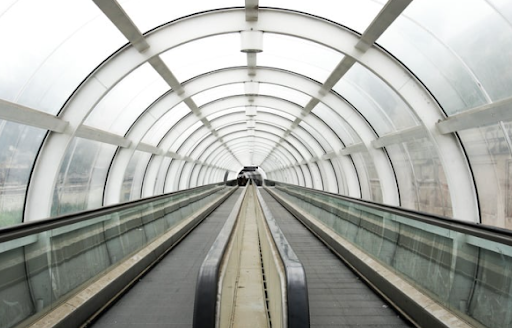
Commercial skylights play a big role in how a building performs, how it looks, and how comfortable it feels inside. Whether you’re designing a hospital, a school, a store, or a high-end property, choosing the right skylight system can make a big difference in the final result.
Below, we’ll walk through three of the top skylight systems used in high-performance and architecturally focused buildings. Each one offers its own mix of benefits, visual style, and long-term performance.
Architectural Skylights
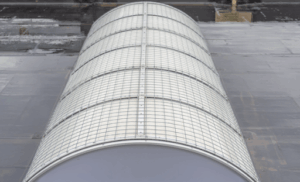
Architectural skylights aren’t just functional, they’re part of the building’s visual identity. These systems are designed with aesthetics in mind, but without sacrificing performance.They give architects flexibility while meeting performance goals, especially in spaces where first impressions matter.
Where They Work Best:
- Office lobbies and entryways
- Museums, galleries, or public buildings
- High-end retail environments
- Education and healthcare spaces
Benefits:
- Custom geometry: These skylights can be shaped and sized to fit the building’s roofline and design vision.
- Framed to perform: While visually striking, they’re also built to meet energy, ventilation, and weather performance goals.
- Variety of glazing options: Choose from clear, tinted, insulated, or even translucent glazing to control heat and light.
Impact-Resistant Skylights
In areas where hurricanes, hail, or windborne debris are real threats, impact-resistant skylights are a must. These systems are designed to meet stringent building codes and safety standards, especially for schools, hospitals, airports, or buildings in coastal regions.
Where They Work Best:
- Coastal or hurricane-prone regions like Florida or the Carolinas
- Government buildings and schools
- Medical facilities and airports
- Any structure needing code-compliant protection
Benefits:
- Tested and certified: Built to meet ASTM E1886/E1996, Miami-Dade, and other regional impact requirements.
- Safety glass and framing: Laminated or multi-layer glazing reduces the risk of shattering or collapse.
- All-weather durability: Resists heavy rain, wind pressure, flying debris, and thermal shock.
Point-Supported Glass Skylights
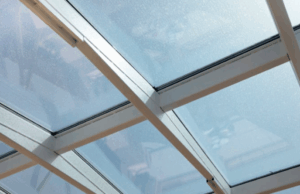
For high-end buildings that want maximum daylight and minimal visual obstruction, point-supported glass skylights are the go-to solution. These systems use small metal fittings at corners or edges, rather than large visible frames, to hold the glass in place.
Where They Work Best:
- Corporate offices and conference centers
- Hotels and upscale hospitality projects
- Cultural or performing arts venues
- Open public atriums
Benefits:
- Minimal framing: Offers an ultra-modern, clean aesthetic with almost uninterrupted views of the sky.
- Custom layouts: Can be adapted to fit curved, sloped, or flat roof designs with precise engineering.
- High transparency: Lets in maximum light while still offering energy control with proper coatings.
How to Choose the Right Skylight System for Your Project
Picking a skylight system isn’t just about how it looks. What matters most is how well it fits your building, how it performs over time, and whether it meets the needs of the space.
Start by thinking about how the space is used. In a long hallway or open area, you’ll want a skylight that spreads light evenly. In a lobby or atrium, it might be more about creating a standout design feature that catches attention. If the building is near the coast or in a storm-prone area, durability becomes a priority. You’ll need something that can handle heavy rain, strong winds, and flying debris.
Location and climate matter too. For buildings in hurricane zones or areas with high wind loads, impact-resistant skylights are usually required to meet stricter codes. In hotter regions, the type of glass matters because poor glazing choices can lead to excess heat and higher cooling bills.
The roof also plays a big role. Some skylight systems work best on flat roofs, others on sloped ones. You’ll need to factor in the roof structure and how easy it will be to access the skylight for future maintenance, especially in large commercial buildings.
And of course, there’s the issue of codes and costs. A system that meets today’s code but breaks down early will cost you more in repairs and downtime later. The right skylight should perform well for years and not just pass inspection on day one.
Work with Skylight Concepts
At Skylight Concepts, we work with commercial property owners, developers, and architects to design skylight systems that meet the real-world demands of each project. From early planning to installation, our goal is to build systems that hold up, functionally and visually, for the long haul.
Here’s what we help with:
- Choosing the right skylight system based on your roof type, building use, and local weather challenges
- Customizing the design so it works with your layout, architecture, and daylighting goals
- Navigating codes and permits to avoid surprises or project delays
- Planning for long-term performance, from maintenance access to energy efficiency
We don’t push cookie-cutter solutions. Instead, we help you understand your options, what each one offers, and what makes the most sense for your specific space.
Whether you’re working on a new build, upgrading an older system, or starting a renovation, having a team that focuses only on commercial skylights can save time and help you avoid costly mistakes.
Choosing the Right System for Your Project
| Project Type or Needs | Recommended Skylight System |
| Large commercial interiors (corridors, halls, common areas) | Architectural Skylights: Offers flexible size, shape, and style for standout features. |
| Coastal or storm-prone regions | Impact-Resistant Skylights: Built to meet hurricane and impact code standards. Ideal for safety-critical or weather-exposed zones. |
| Modern or high-end buildings needing clean visuals | Point-Supported Glass Skylights: Sleek, minimal design with maximum daylight and transparency. |
| Projects requiring strict code compliance and thermal performance | Impact-Resistant Skylights: Meets energy codes and provides storm protection. |
| Custom geometry or design-forward features | Architectural Skylights: Allows unique shapes and design flexibility. |
| Open-air or atrium-like environments | Point-Supported Glass Skylights: Creates a clear, open look with minimal visible structure. |
Talk to Us About the Skylight That Fits Your Goals
Whether your goal is natural light, architectural impact, or all-weather protection, your skylight system should be more than an add-on, it should be part of your building’s strategy. That includes getting the right geometry and materials for your climate, meeting performance goals around energy, acoustics, or ventilation and working with professionals who specialize in skylight systems.
Need help with your next skylight project? Contact us today to schedule a consultation or request a system recommendation.